
Citizen Science
Keep up-to-date with the citizen science projects happening across the valley. By participating you can contribute to the conservation of threatened flora, fauna and ecosystems.
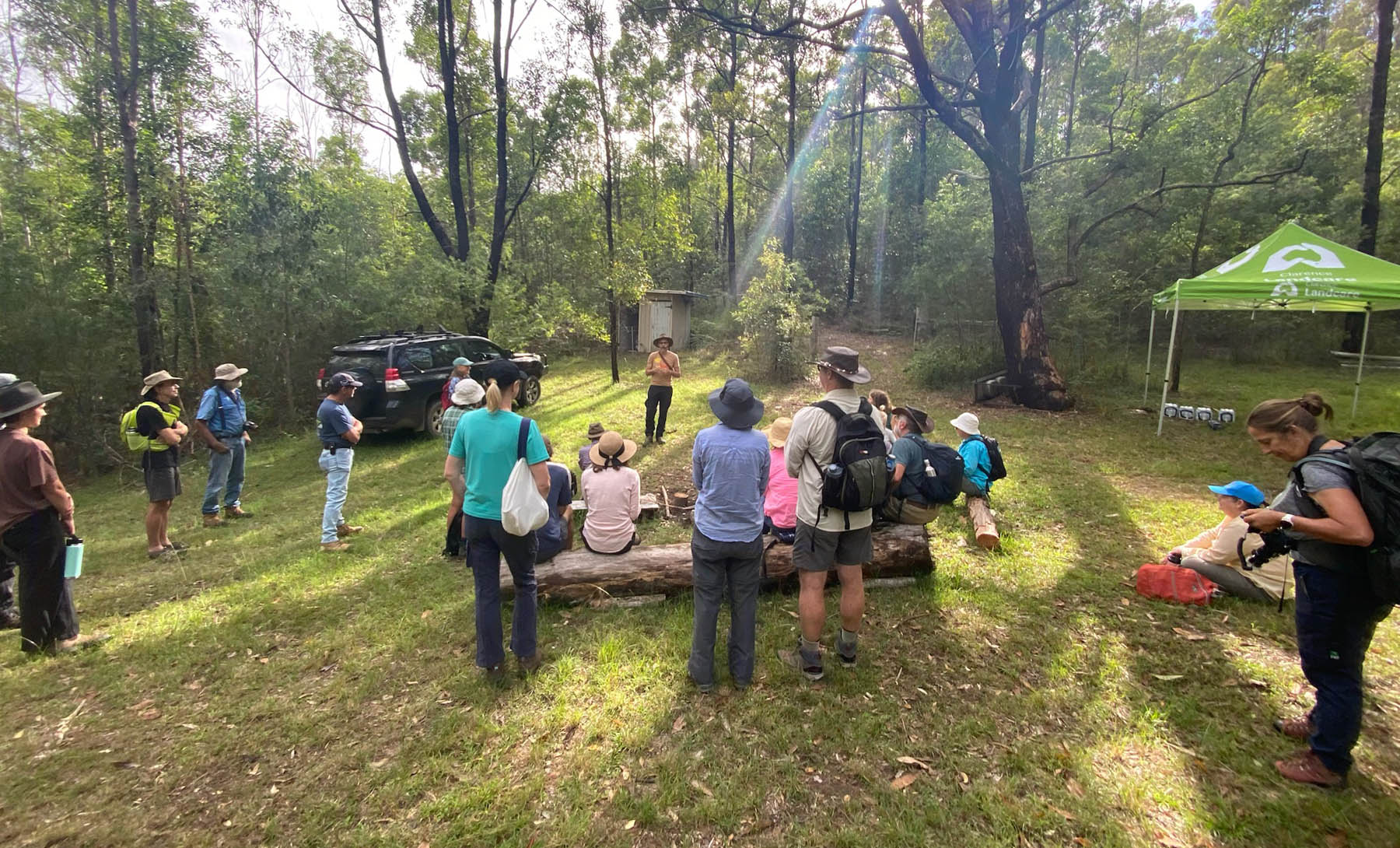
Do you have an inquiring mind and love to get outdoors with like-minded people?
Citizen science is becoming increasingly popular with families, individuals, students, and community groups.
There are many local citizen science projects that you can participate in. They generally involve collecting information about animals or plants, and environmental observations.
As a citizen scientist, you will contribute meaningfully to scientific research and environmental decision-making. And you don’t need a science background or skills to take part!
Here is just a snapshot of what is out there.
Clarence River Guardians
Great Glossy Count
The Platy-project
BioBlitz
Bats in Backyards
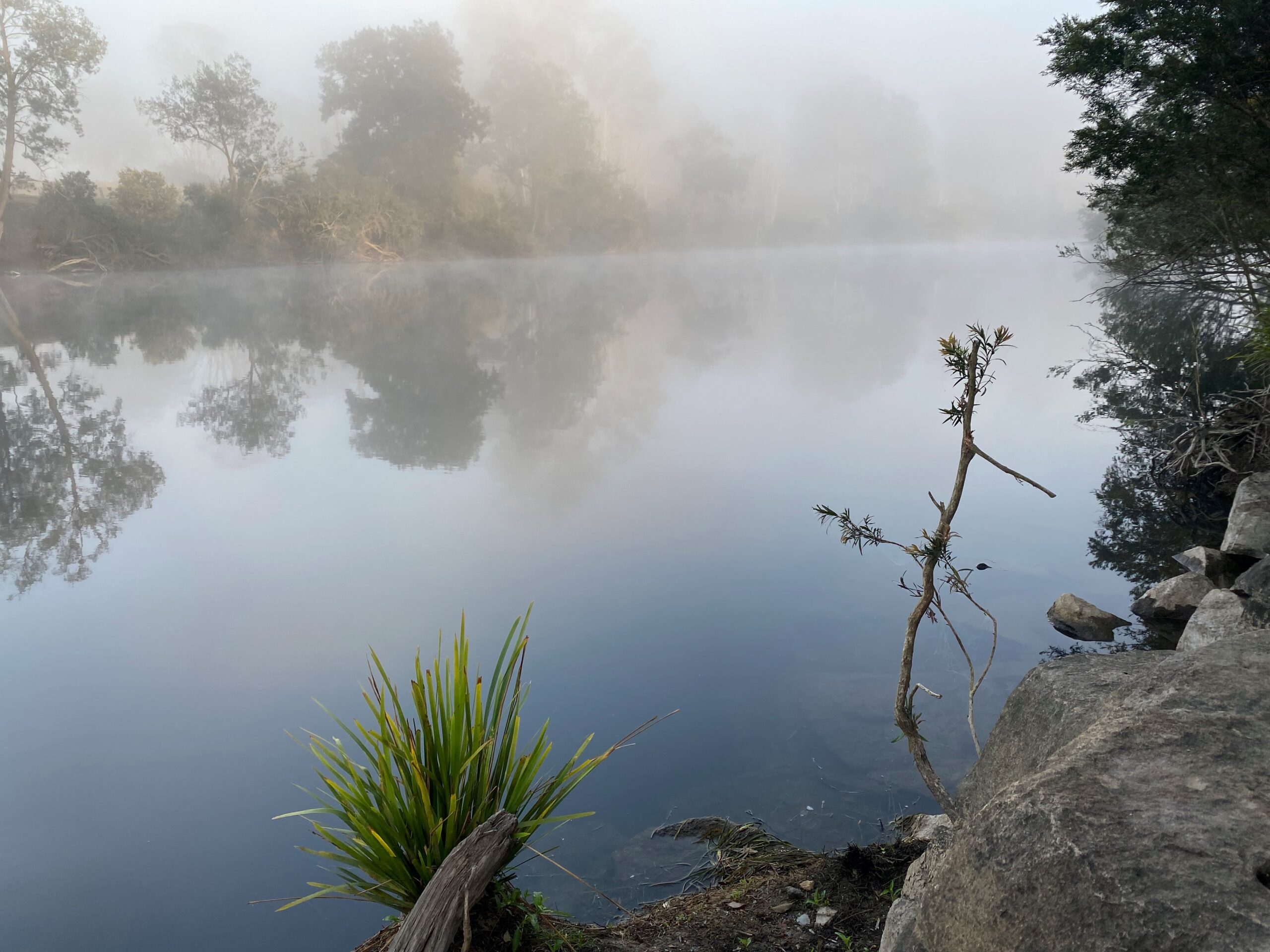
Clarence River Guardians Project
Clarence Landcare is supporting the Clarence River Guardians Project to focus our community’s attention on the river, using stories, indigenous wisdom, and modern science.
The project is a collaboration between many local organisations resulting in a series of river-focused events. The Citizen Science Sediment Sampling event, led by Southern Cross University is on 18-19th October. Check the Clarence River Guardian’s website for other upcoming events including art, culture, farming and social.
Great Glossy Count
Annually run by Birdlife Australia
You can contribute to the conservation of a rare species by taking part in the Birdlife Australia Glossy Black Cockatoo count. Surveys are conducted in South-eastern Queensland, eastern NSW, ACT, eastern Victoria.
Visit Birdlife Australia for more information and to register:

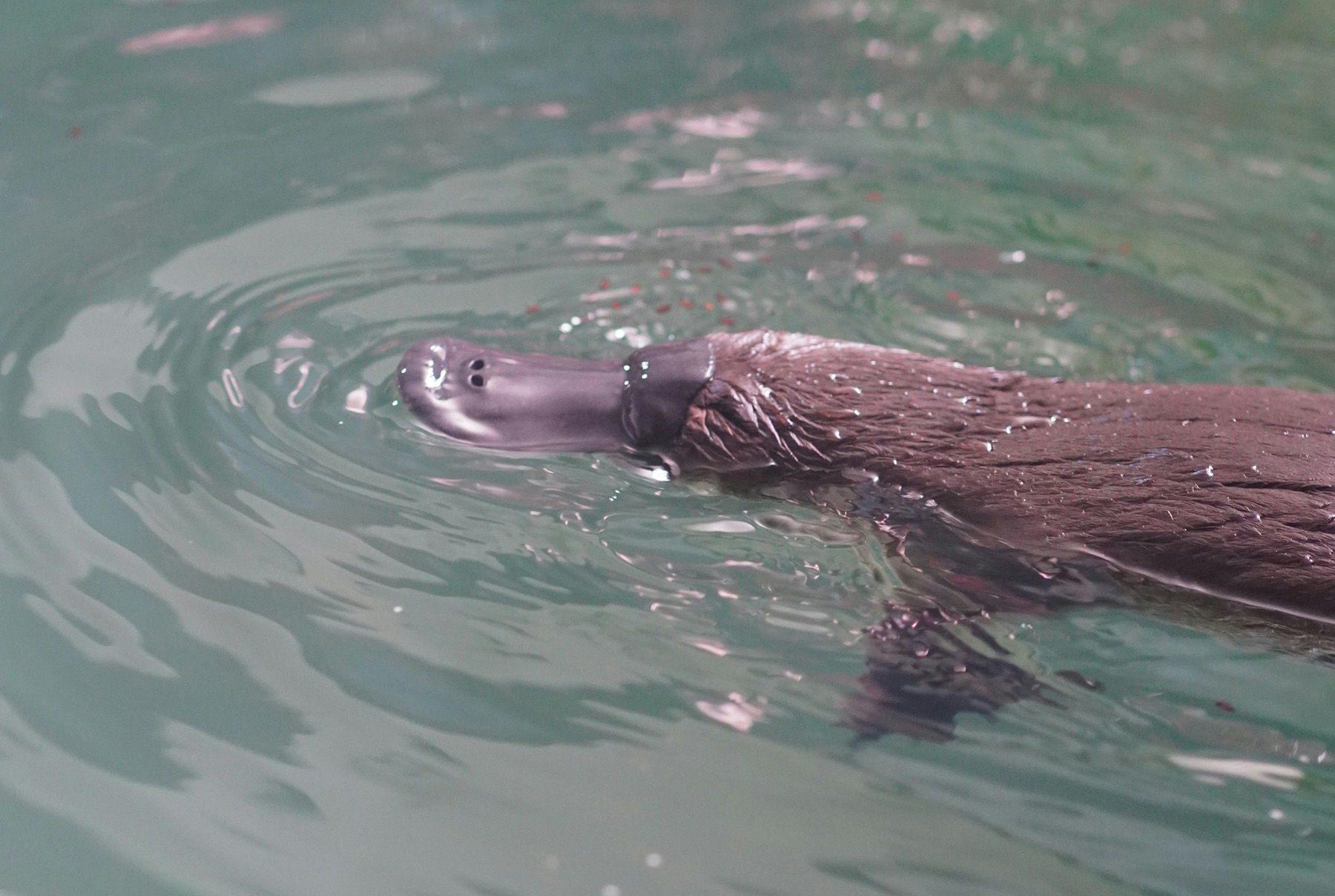
Photo by Aaron De Wit on Unsplash
The Platy-project
By taking part in the Platy-project in spring you will help researchers understand more about the elusive platypus. The project aims to fill the gaps in our understanding of where these animals live so they can be better protected. You just head to a nearby river, creek or waterway to see if they can spot a platypus. You’ll also have an incredible time getting out into nature, either on your own or as part of a group – and hopefully experience the magical moment of spotting a platypus!
Visit the Platy-project website for more information and to register.
BioBlitz
A BioBlitz is a snapshot study of a specific location, where scientists and the community work together to survey and record as many species as possible within a nominated timeframe. Citizen scientists participate in BioBlitzes globally and they are becoming popular events in Australia. They are a fantastic way to get involved with your community and learn about local flora and fauna.
Clarence Landcare coordinates and hosts Bioblitzes around the Clarence Valley area, engaging and inspiring participants to observe our local biodiversity while collecting valuable species data to help guide environmental management practices.
Check our Facebook page for any upcoming Bioblitz events.
Calling all bat enthusiasts
The ‘Bats in Backyards’ project invites citizen scientists to help uncover the secrets of the night by surveying threatened micro-bats from October to March.
Volunteers in the Pillar Valley area use supplied bat detectors to record the high-frequency echolocation of insect-eating bats over 3 to 5 days. The sensitive system can identify individual bat species by their unique echolocation.
Often misunderstood bats play a critical role in keeping our ecosystems healthy. Bats can eat up to their body weight in insects every night and are great natural and free bug controllers. Volunteers will learn which ones are chomping insects over their property.
There are 34 species of insect-eating bats in NSW, 18 of which are listed as threatened. Survey results help better understand bats and how to protect them and their habitats. All participants receive a report detailing each bat species detected and recommendations for their protection and conservation.
The Bats in Backyards project is a collaborative effort between citizen scientists, the NSW Government Saving our Species program, Western Sydney University, and the NSW Department of Primary Industries. Find out more and register your interest: Bats in Backyards
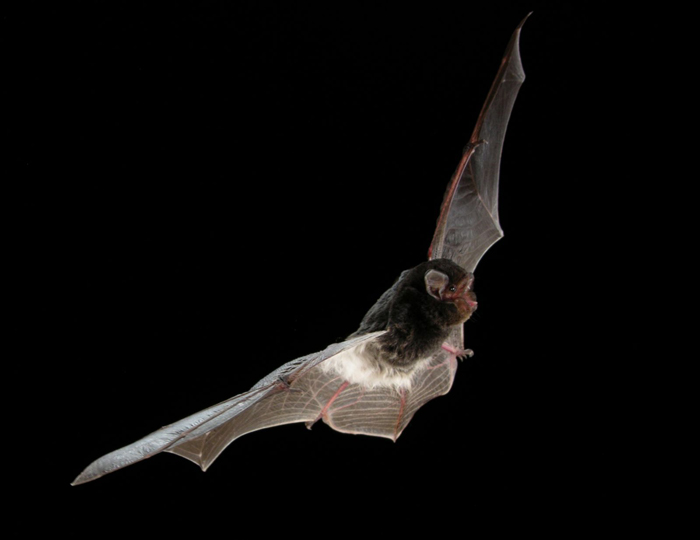
Chalinobus picatus – Little Pied Bat (M. Pennay DPIE)